Amboseli National Park, located in southern Kenya near the border with Tanzania, is one of Africa’s most iconic wildlife reserves. Here’s a brief history:
Early History
-
The area was originally inhabited by the Maasai people, who used the land for grazing livestock.
-
In the late 19th century, European explorers and big-game hunters began visiting the region.
Colonial Era (Early 20th Century)
-
In 1906, the British colonial government declared the area the “Southern Maasai Reserve”, restricting access to protect wildlife.
-
By 1948, it was established as a game reserve under the control of the local Maasai community.
Post-Independence & National Park Status
-
In 1974, Amboseli was officially gazetted as a national park under the Kenyan government.
-
The park became famous for its large elephant herds and stunning views of Mount Kilimanjaro.
Recent Developments
-
In 2005, management was handed over to the Maasai community under the Olkejuado County Council and later the Kenya Wildlife Service (KWS).
-
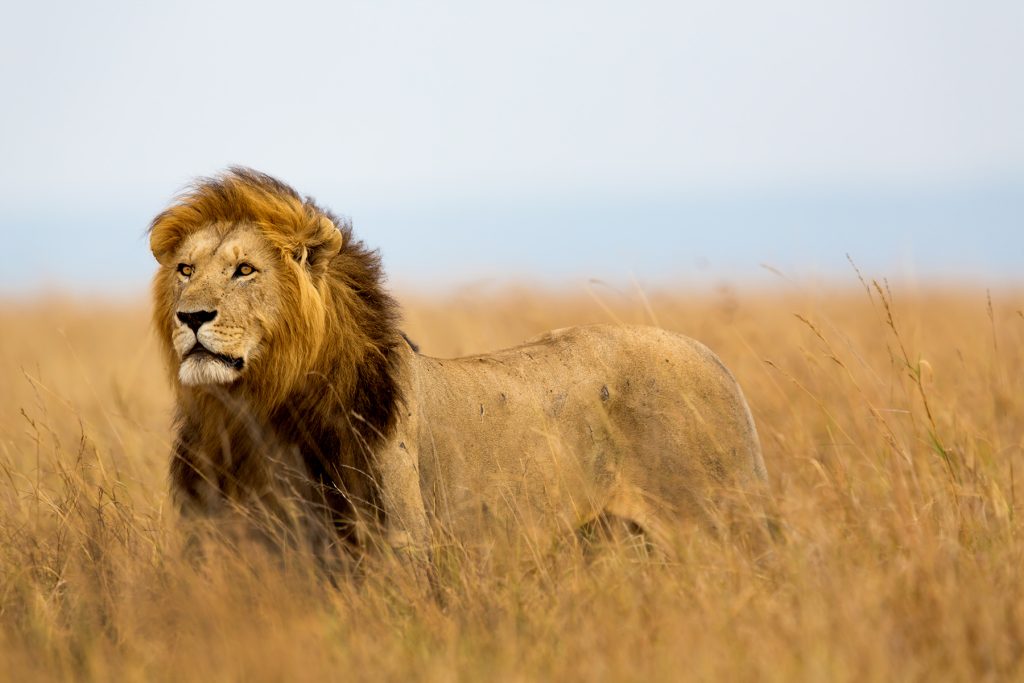
Today, Amboseli remains a key wildlife conservation area and a major tourist destination.
The park is best known for its elephant research, led by conservationist Cynthia Moss, and its breathtaking landscapes.