Pre-Colonial Era: Maasai & Samburu Grazing Lands
Before European settlement, the area now known as Ol Pejeta was part of the vast pastoralist territories of the Maasai and Samburu communities. These semi-nomadic herders relied on the fertile plains of Laikipia for cattle grazing and seasonal migration.
Colonial Era (Early 1900s–1963): A British Cattle Ranch
-
In the early 20th century, British settlers displaced indigenous communities and converted the land into Ol Pejeta Ranch, a private cattle operation.
-
The ranch became part of Kenya’s “White Highlands”—fertile lands reserved for European settlers under colonial rule.
-
Like many colonial estates, it employed forced labor from local communities while exporting beef and dairy products.
Post-Independence (1960s–1980s): Decline & Transition
After Kenya’s independence (1963), many white-owned farms were redistributed, but Ol Pejeta remained a private cattle ranch under new ownership. However, by the 1980s:
-
Wildlife conflicts increased as elephants and rhinos encroached on grazing land.
-
Poaching crises (particularly for rhino horn) led to calls for conservation.
1988: Birth of a Rhino Sanctuary
-
The ranch’s owners, recognizing the land’s ecological value, partnered with Fauna & Flora International (FFI) and Kenya Wildlife Service (KWS) to establish a rhino sanctuary.
-
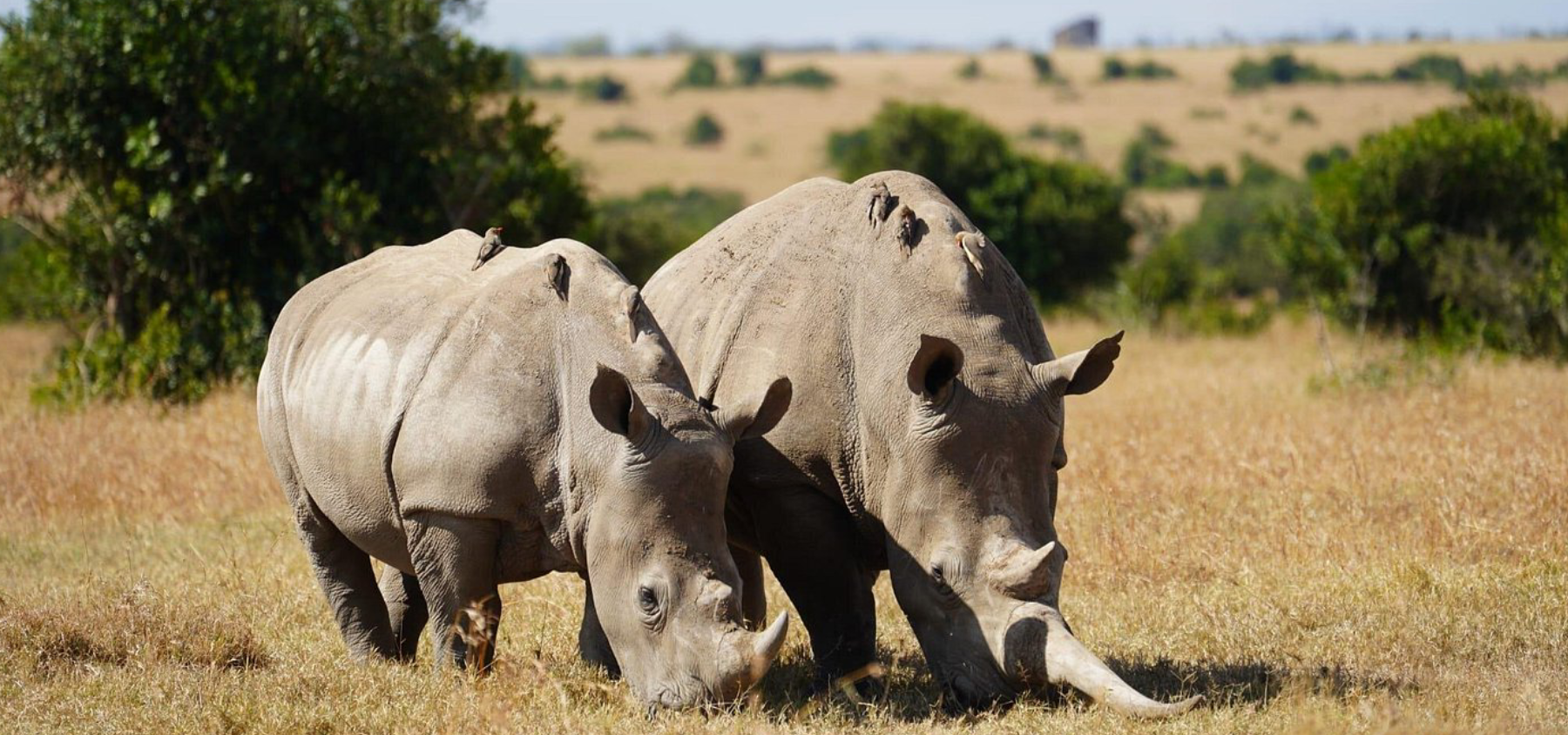
Ol Pejeta became a critical refuge for Kenya’s endangered black rhinos.
2000s: The Rise of a Conservation Leader
-
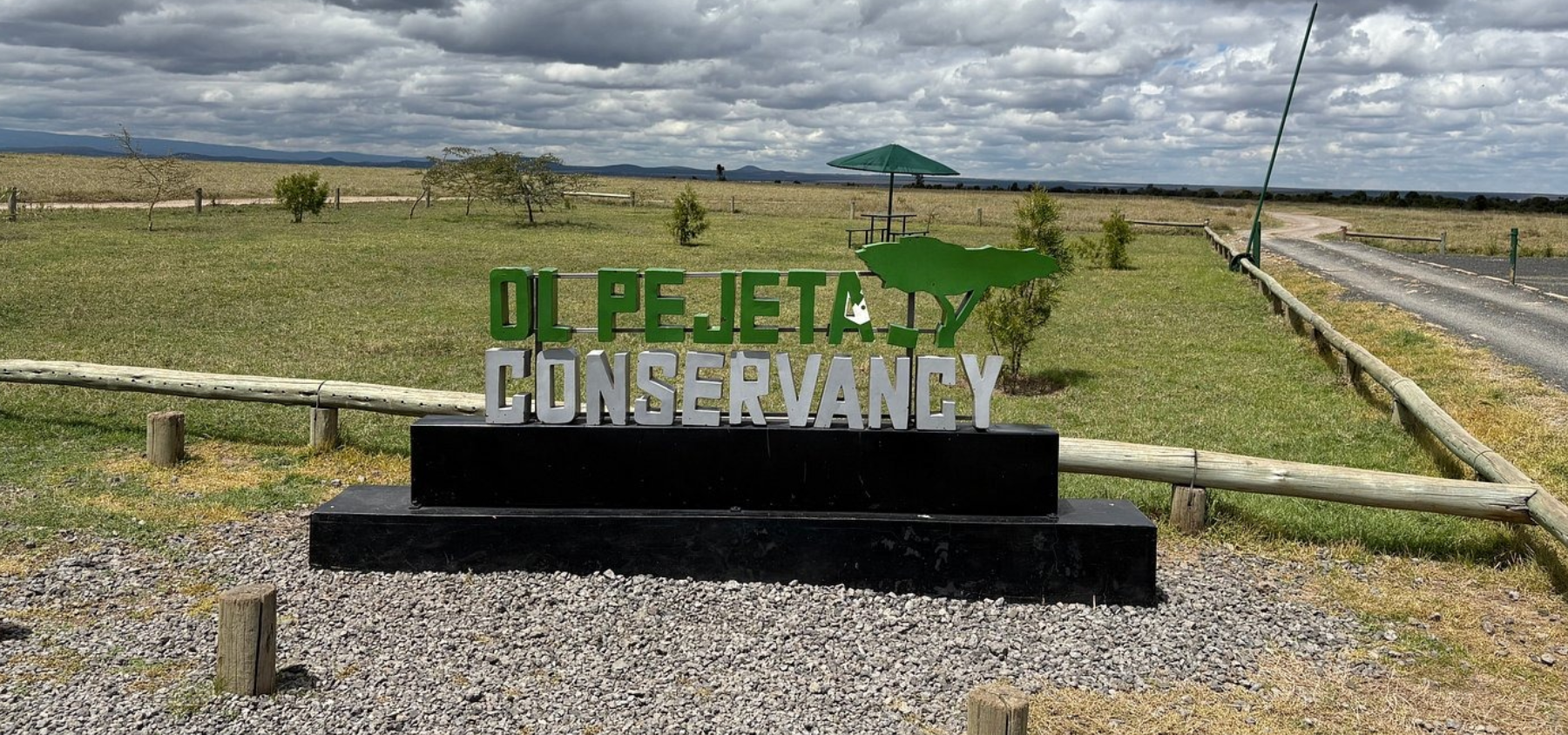
In 2004, the ranch was fully converted into Ol Pejeta Conservancy, blending wildlife protection with community development.
-
2009: The conservancy received the world’s last two northern white rhinos (Najin & Fatu), now under armed guard.
-
2010s: Expanded into chimpanzee rehabilitation (with the Jane Goodall Institute) and high-tech anti-poaching (drones, sniffer dogs, and AI monitoring).
Ol Pejeta Today: A Global Conservation Model
-
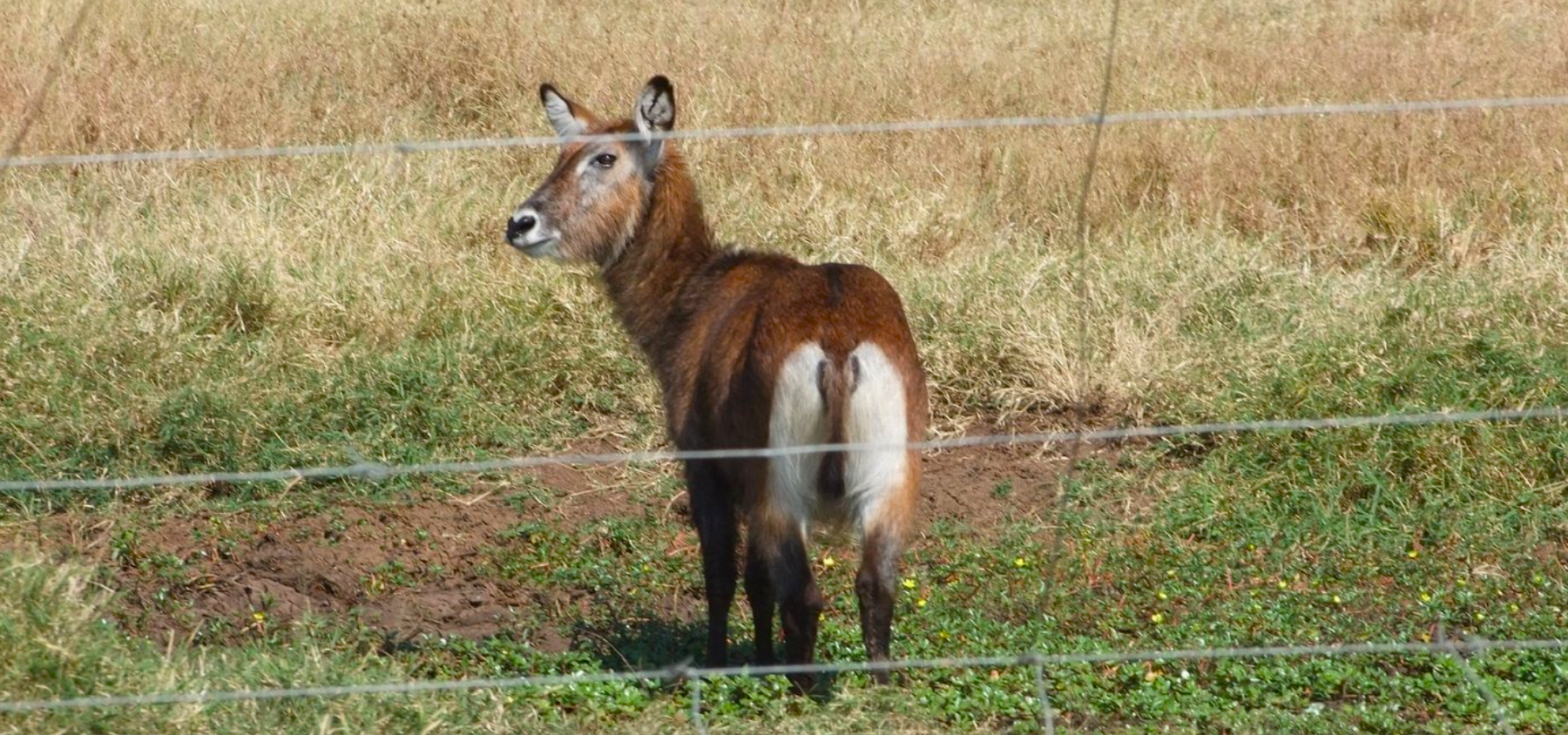
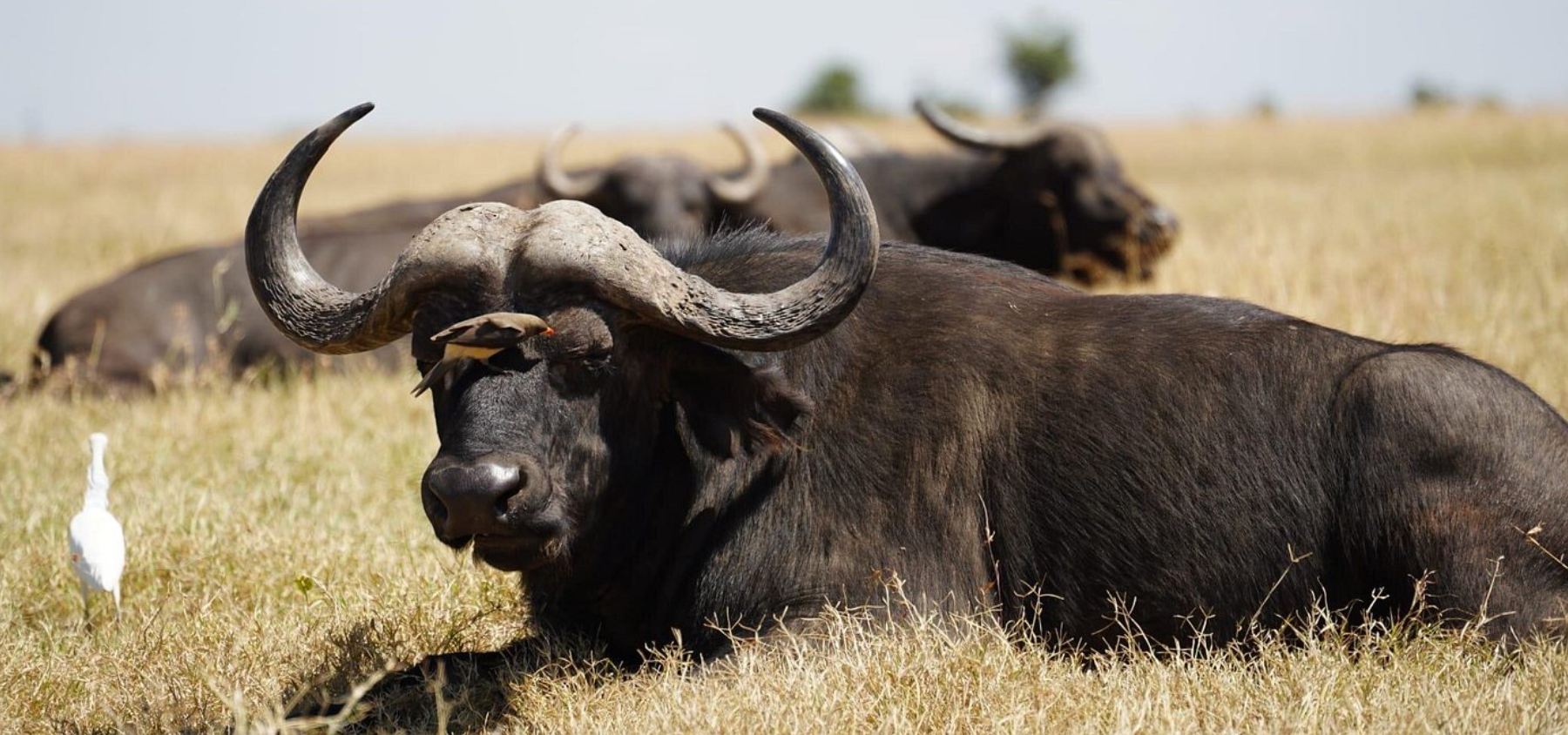
Wildlife Success: Home to Big Five animals and East Africa’s largest black rhino population.
-
Community Impact: Funds schools, health clinics, and grazing agreements with local pastoralists.
-
Innovation Hub: A testing ground for wildlife tech, including rhino IVF to save the northern white subspecies.